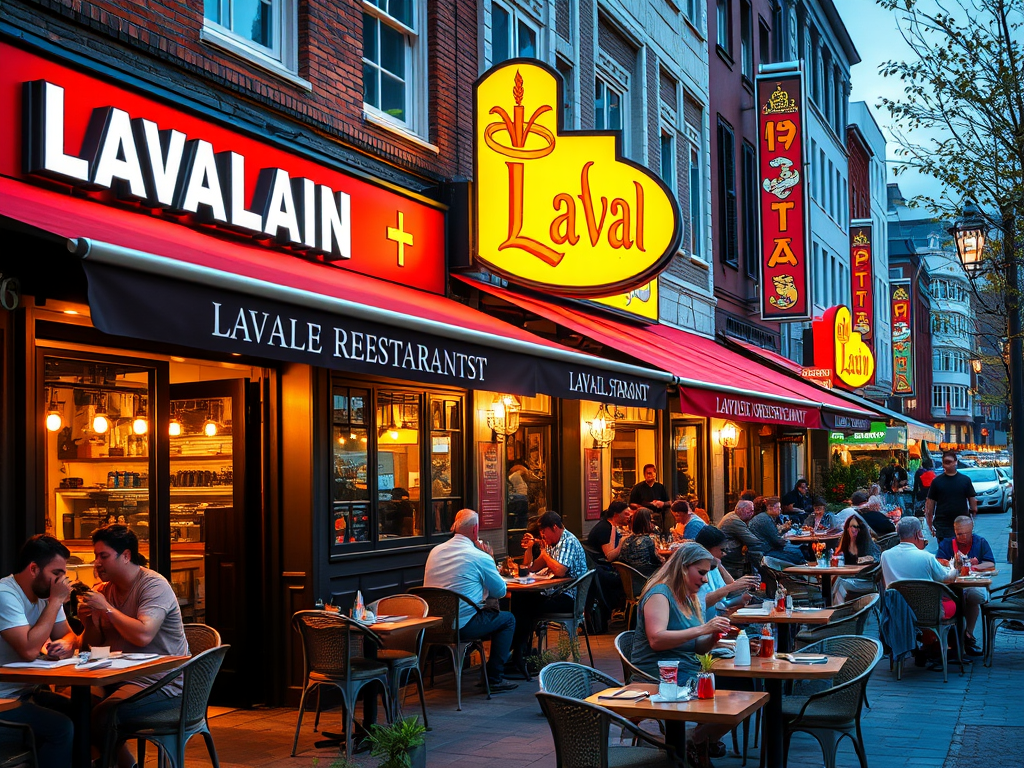
One of the biggest mistakes I have seen throughout my career is entrepreneurs falling in love with a restaurant concept before understanding the operational reality behind it.
A concept may look beautiful on Instagram, attract long lines of customers, and generate impressive sales, but that doesn’t necessarily mean it is profitable or sustainable.
After nearly three decades in the hospitality industry, working with international restaurant brands and franchise operations, I have learned one important lesson:
Every restaurant concept comes with hidden operational costs that you must understand before investing a single dollar.
A Real Example: The Lobster Business
I had the opportunity to work with an international premium lobster restaurant franchise. On paper, it looked like an incredible business.
The average customer check was high, the brand positioning was premium, and lobster is considered a luxury product.
However, behind the scenes, operating this concept required an exceptional level of expertise.
Live lobsters are extremely delicate products.
They are usually transported individually in sealed bags with controlled conditions. Despite all precautions, a percentage of mortality during transportation is almost unavoidable.
Once they arrive at the restaurant, the investment doesn’t stop.
You need professionally designed live lobster aquariums for customer display, as well as additional backup holding systems in the back of the restaurant with carefully controlled water quality, temperature, filtration, and oxygen levels.
Even with proper systems, losses still happen.
Whenever a lobster dies, time becomes your enemy.
If it is not cooked and processed immediately—it can no longer be safely served. Considering the high cost of live lobster, these losses can quickly become very expensive.
Supply Chain Is Part of Your Restaurant Concept
Many restaurant owners focus on recipes and interior design.
Very few spend enough time understanding the supply chain.
In the lobster business, supply chain management can determine whether you make money or lose it.
The best quality frozen lobster meat usually comes from the knuckles and claws, but it is expensive and availability depends heavily on the fishing season.
There are periods when lobster harvesting slows or stops in major sourcing regions such as Halifax or Boston, creating supply shortages and price fluctuations.
Importing seafood also introduces another challenge: customs clearance.
I have experienced shipments arriving at the airport only to remain delayed during clearance procedures.
For live lobster, every additional hour increases mortality.
For frozen lobster meat, delays reduce the remaining shelf life by the time the product finally reaches your kitchen.
These are hidden costs that many new restaurant owners never include in their business plans.
Food Cost Matters More Than Sales
Many people get excited when they see a restaurant generating high sales.
What they don’t ask is how much profit remains after paying for the food.
A lobster-focused restaurant can easily operate with a food cost of 40% to 45% or even higher.
Yes, customers spend more per visit.
But your ingredients are significantly more expensive, your operational risks are higher, and your waste can increase if inventory is not perfectly managed.
High sales do not automatically mean high profits.
Ask Yourself These Questions Before Choosing Any Concept
Before opening any restaurant, ask yourself:
– Can I consistently source my main ingredients?
– Are they seasonal?
– How much waste should I expect?
– What specialized equipment is required?
– How difficult is staff training?
– What happens if deliveries are delayed?
– How sensitive are my products to transportation?
– What food cost percentage should I realistically expect?
– Can this concept remain profitable during slower seasons?
These questions are often far more important than choosing your logo, furniture, or menu design.
Passion Must Be Supported by Business Intelligence
I always encourage entrepreneurs to pursue concepts they are passionate about.
However, passion alone is not enough.
The best restaurant concepts are those where creativity, customer experience, operational simplicity, and financial discipline work together.
Before choosing your dream restaurant, understand every detail behind the operation—from sourcing and logistics to inventory management and food costs.
A great concept is not the one that looks the most impressive.
It is the one that consistently delivers an exceptional guest experience while remaining profitable year after year.
That is what turns a restaurant into a sustainable business rather than an expensive hobby.